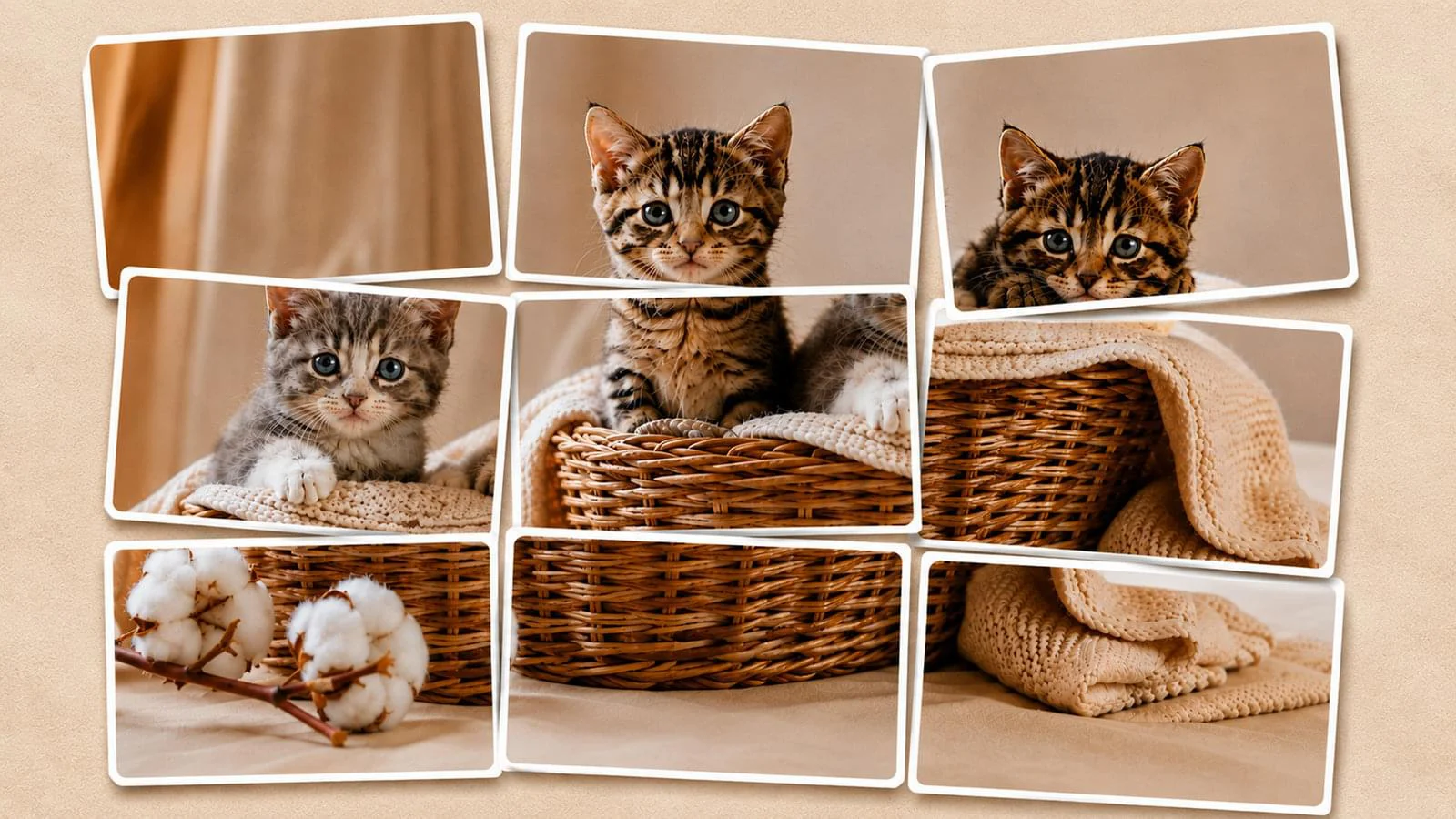
Jigsolit plays free in your browser on phone and desktop, no download.
How to play

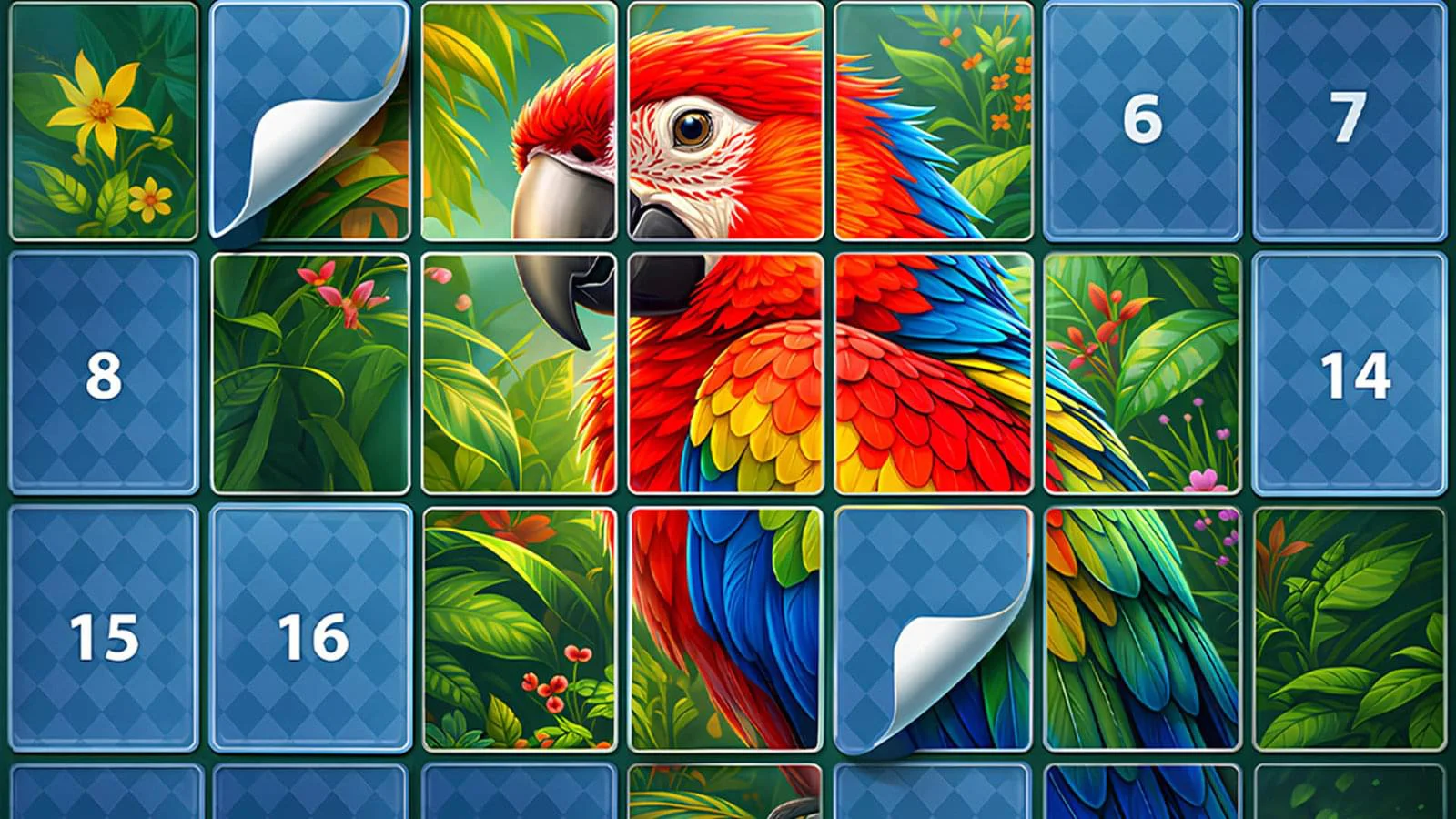
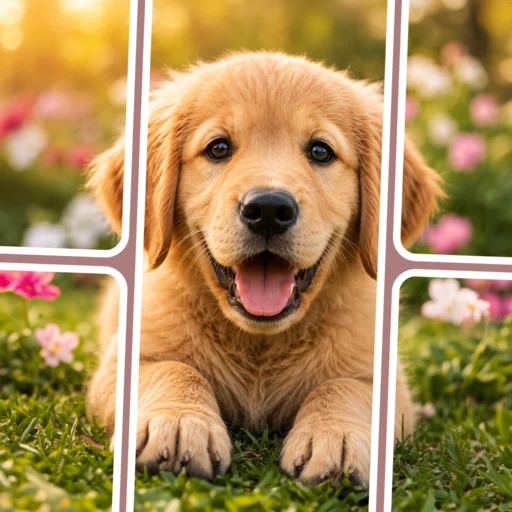
Jigsolit turns real photographs into a card puzzle. A photo of northern lights, a tea plantation or a waterfall is cut into a grid of cards and shuffled. Every card is on the board from the start, so there is nothing to search through. Your job is only to put them back in order.
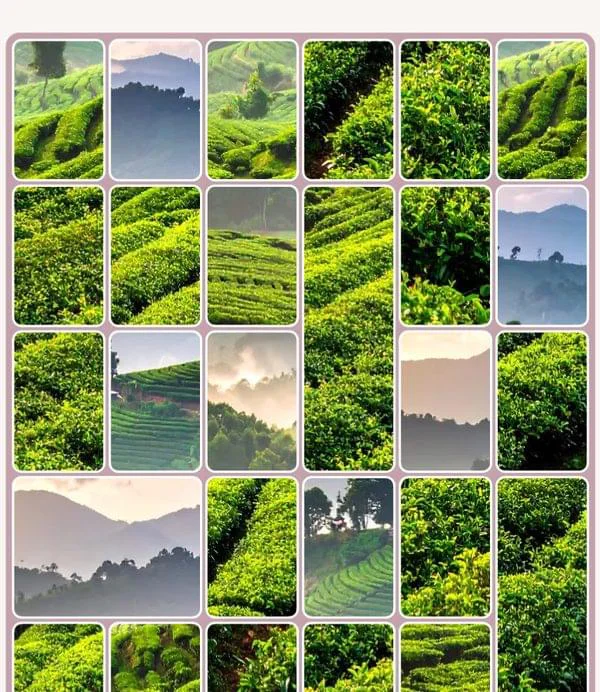
Drag any card to another place on the board. The card you drop takes that place, and the card that was there slides back into the spot you emptied. You can move a card one step or across the whole board, as long as it stays inside the frame.
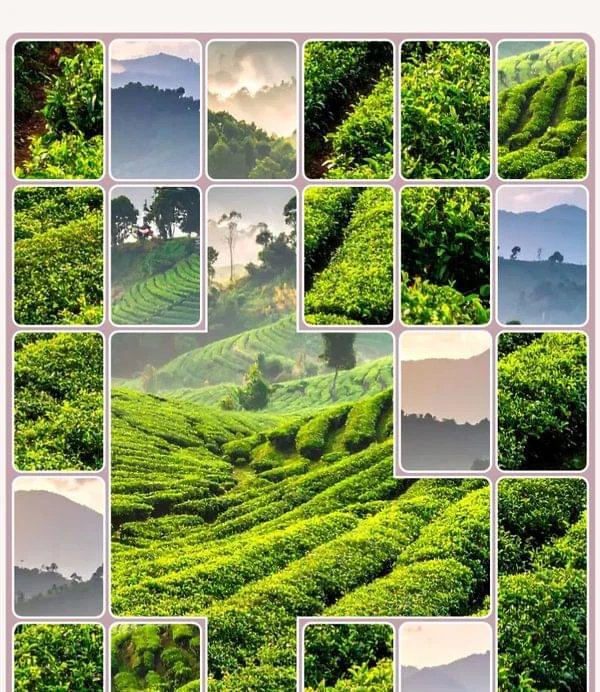
When two cards that belong side by side touch, they join. The border between them disappears and they move together from then on. Pieces grow as you play: two cards, then four, then half the photo. Moving a large piece pushes the loose cards around it out of the way, often into better places.
The level is finished when the whole photo is one piece. There is no timer, no move limit and no losing. You can stop in the middle of a level and continue later from the same position.
How the levels are made
Each level is one photograph and a grid size. The first levels use a small 3×3 grid, nine cards, so you can learn how pieces join without hunting for details. After that the boards grow to 4×4 and 5×5, and hard levels use a 6×6 grid with 36 cards. The last level of every set of fifteen is marked super hard.
Within a level the shuffle is always the same: if you replay level 20, or if a friend opens level 20, the cards start in the same places. Nothing is random once the level begins, and there is no hidden rule. A bigger grid is simply more cards with smaller details on each one.
The game currently has about 165 levels.
Jigsolit and Jigsaw Cards
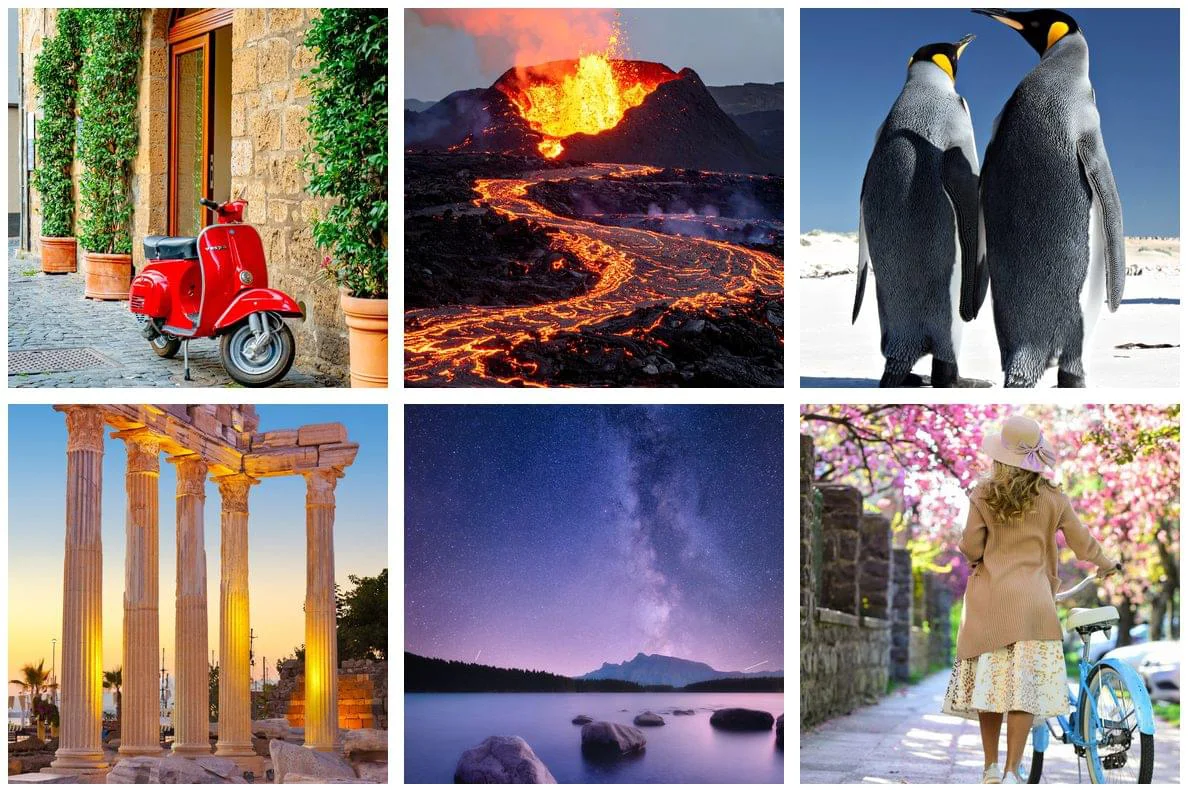
Jigsolit plays by the same rules as our other card jigsaw, Jigsaw Cards, and the two share their boosters. The difference is in what you look at. Jigsaw Cards uses drawn, colourful illustrations and a town you restore as you play. Jigsolit uses real photographs on a plain, light board, with nothing around the puzzle competing for your attention. It also starts gentler, at 3×3, so the first session is a few quick wins before the grids get bigger.
If you like calm nature photos and want each level to feel like a short break, start here. If you prefer cartoon art and a long series of levels, Jigsaw Cards has over 2,400 of them.
Tips
- Read the photo before you move anything. Find the horizon, the brightest area and anything with a clear outline. These cards are the easiest to place.
- Build the big shape first. In landscapes the line between sky and land, or between water and shore, runs across the whole picture. Join that line and the rest falls into rows above and below it.
- Place whole pieces, then fill the gaps. Once a piece of six or eight cards sits in its true spot, the loose cards around it have far fewer places they could go.
- Use the push-back. The displaced card always goes to the spot you left. If you are moving a card out of a place where another card belongs, move that other card next.
- Sort smooth areas by shade. Night skies and still water look alike card by card. Line them up from light to dark first, then adjust.
- Keep boosters for the 6×6 photos. Hint shows one piece sliding next to its neighbour. Magnet sets the four pieces nearest the centre into their true places at once.

Updates
- October 2026: Jigsolit launched with about 165 real photo levels from 3×3 up to 6×6, the Hint and Magnet boosters, and a daily game.
Guides
Frequently asked questions
How do I spend coins?
Coins buy boosters. When you have no Hint or Magnet left, tap its button during a level and it is bought with coins; if a free version is on offer, the game shows that first.
How do the boosters work?
Hint shows one piece sliding next to the piece it belongs beside. Magnet takes the four pieces nearest the centre and sets them into their true places.
Can I lose a level?
No. There is no timer and no move limit. The level is done when the whole photo has joined into one piece.
Why do two cards not join even though they look right?
Cards only join when they are in the right order relative to each other, side by side or one above the other. Two cards that look similar but sit one place off will not lock; try swapping their neighbours.
Can I leave in the middle of a level?
Yes. The board is saved as it is, and the level opens in the same position next time.
Do the levels get harder?
Only by getting bigger. The first levels are 3×3, then 4×4 and 5×5, and hard levels are 6×6. The rules never change.