From picture to puzzle - how a Sort Tiles level is made
Every level of Sort Tiles hides a picture: a rubber duck, a picnic basket, an aubergine, a teapot. You uncover it one pixel at a time by tapping arrow tiles off the board. Players often ask us whether someone sits down and places all those arrows by hand. Nobody does, and the way it actually works explains a lot about how the game feels to play. Here is the journey from picture to puzzle, without the maths.
Step 1: a small picture
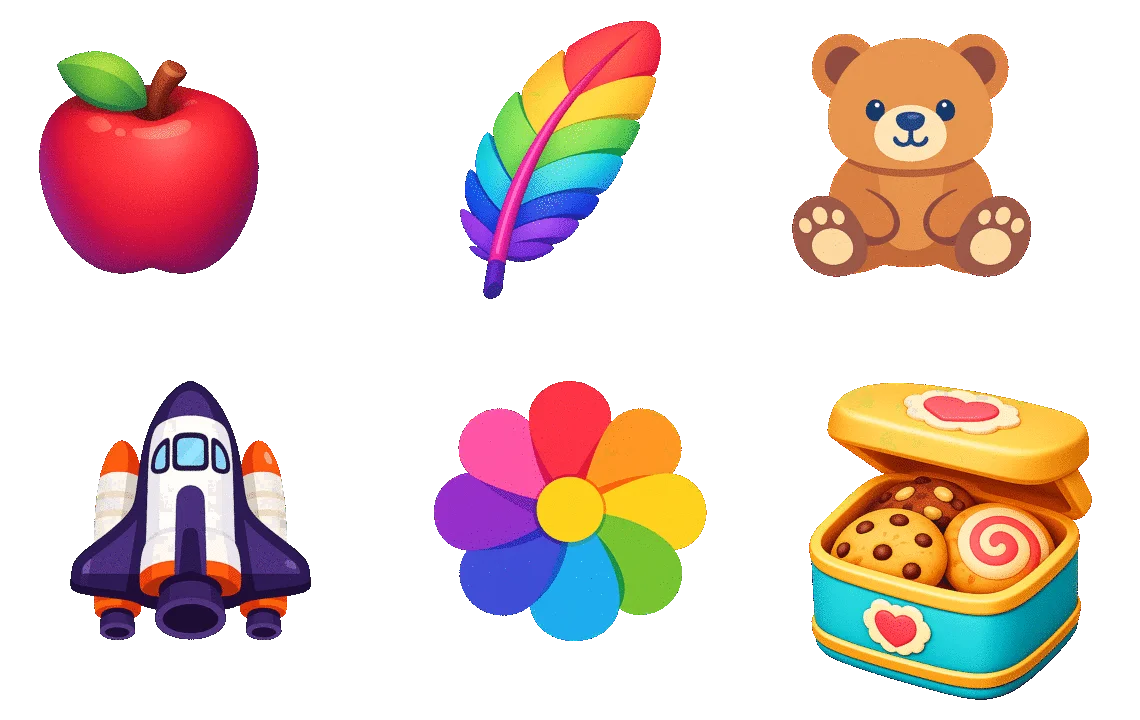
Each level starts as a little pixel picture, often no more than 20 or 30 pixels across. Small is the point: every pixel will become a tile you tap, so a 20 by 20 picture already means up to 400 taps. The picture uses a limited palette of colours, so the shapes read clearly even when they are made of big square dots.
Step 2: one pixel, one tile
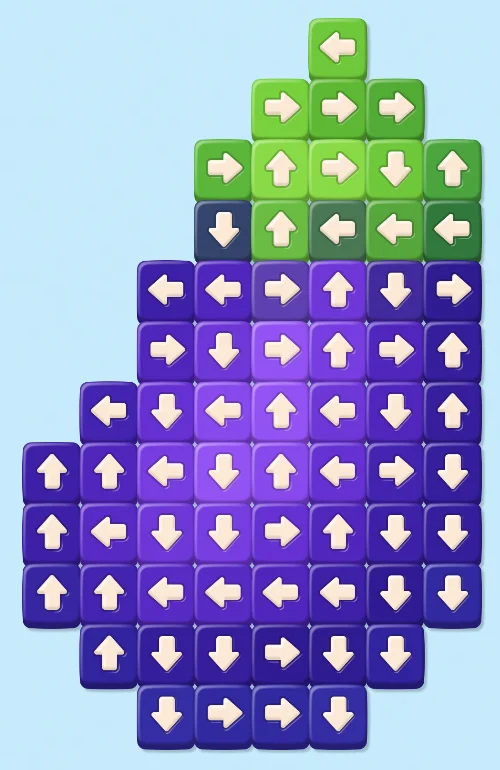
Every pixel that belongs to the drawing becomes one tile, in the colour of that pixel. Empty pixels around the drawing stay empty, so the board takes the outline of the picture: an aubergine-shaped board for an aubergine, a duck-shaped board for a duck.
Step 3: dealing the arrows
This is the part players ask about most. The arrows are not stored with the level. When you open a level, the game deals an arrow to every tile, one tile at a time, in a shuffled order. For each tile it looks at the four possible directions and picks one that cannot create a loop, a ring of tiles all waiting on each other where nobody can ever move first.
That single rule is what guarantees a board you can always clear. As long as there is no loop, there is always at least one tile with a clear path to the edge, and removing it never creates a new loop. So however tangled a board looks, there is an order that clears it without a single collision.
It also explains something regular players notice: if you lose and start a level over, the arrows change. The picture is the same, but the deal is new. A retry is a fresh puzzle, not a test of how well you remember the last attempt. If you simply leave a level halfway, the game remembers your board, so you come back to the same arrows you left.
Step 4: dots instead of tiles
When a tile flies away it leaves a small coloured dot where it stood. As you clear the board, the dots build up the picture, so you can see what you are working towards long before the last tile goes.
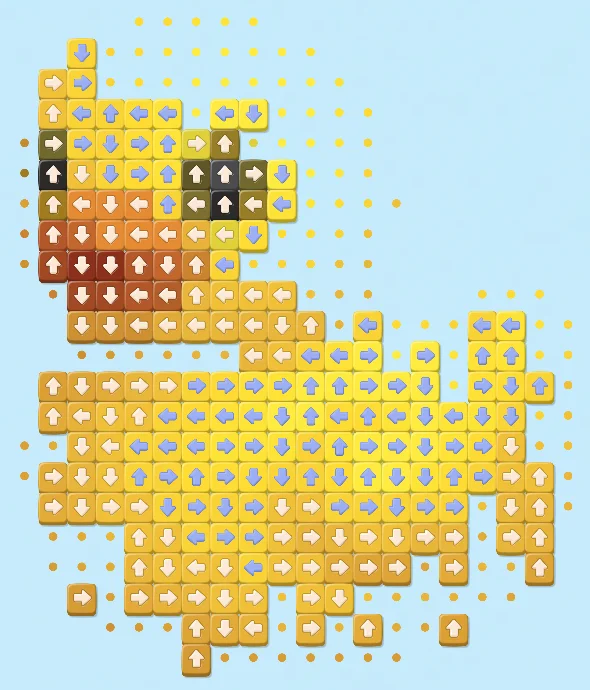
This is also why the game has no score. Your progress is the picture itself. When the last tile leaves, the dots dissolve and the full-colour picture appears, then moves into the gallery with the other pictures of its episode.
Where difficulty comes from
Because any picture can become a level, difficulty comes from the picture itself rather than from tricks:
- Size. The first boards are around 8 by 8. The largest are close to 40 by 40, with well over a thousand tiles.
- Density. A solid shape, like a basket, has long rows and columns of tiles that block each other. A shape with gaps and thin parts, like a flower, is easier because more tiles touch the edge.
- Long chains. On a big solid shape, a single tile can be waiting on a line of twenty others. Those chains are what the Hard Level label warns you about.
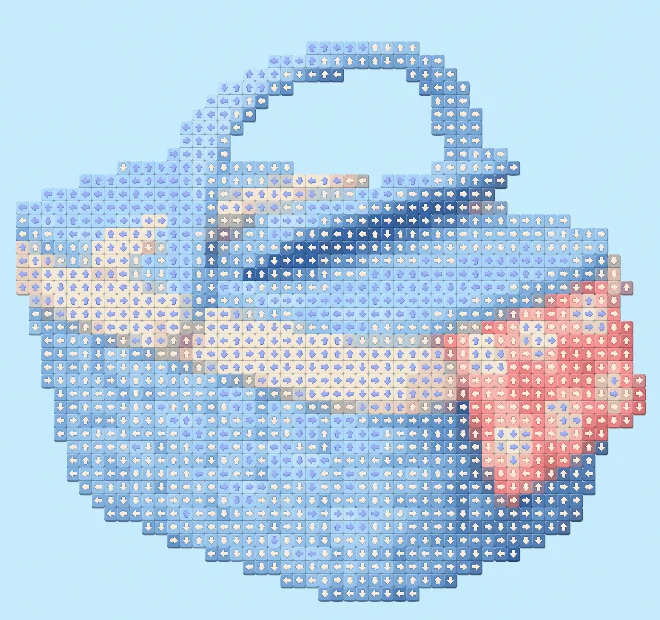
Level 23 is a good example. It is a picnic basket, a large solid shape with very few gaps, and it is the level our players restart most. The game even tells you that only 86% of players beat it.
Since October 2026, the last level of every 15-level episode is a Super Hard finale: the biggest, densest picture of the episode, placed where you have just had fourteen levels of practice.
The same idea in Arrow Slide Puzzle
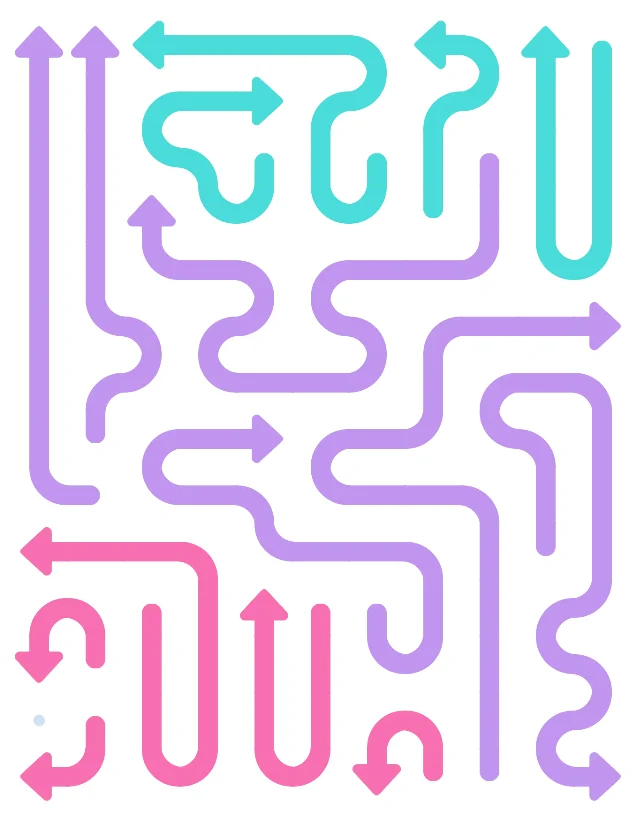
Our sister game Arrow Slide Puzzle starts from the same kind of picture, but instead of one tile per pixel it joins neighbouring pixels into long bendy arrows that follow the shape of the drawing. That takes more work: for each picture we try around thirty different arrangements and keep the one that covers the drawing best, with the fewest gaps. The arrow colours come from the picture's own colours, which is why you can often guess the picture before you start.
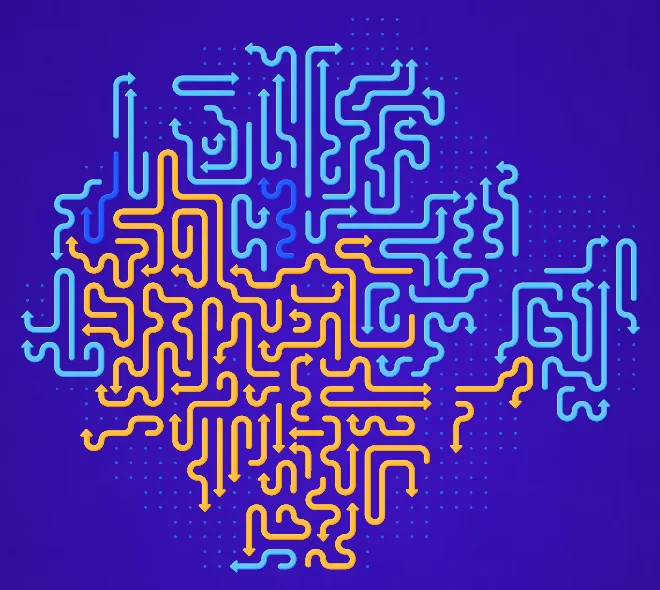
Because those arrangements are prepared in advance, Arrow Slide Puzzle boards stay the same when you retry. Sort Tiles deals new arrows every time. Same idea, two different feelings: one rewards learning a board, the other gives you a fresh one.
Why we like this approach
Building levels from pictures means the reward and the puzzle are the same thing. You are never clearing tiles for points; you are uncovering something. And because the game, not a person, deals the arrows under one simple rule, we can promise something that matters to players: every board you see can be finished. The game has 2,220 levels today, and every one of them follows that rule.